
News
The Psychology of Aesthetic Music Posters: Why We Love Them
Sep
Uncover the deeper meaning behind aesthetic music posters and explore why they strike such a powerful chord with music lovers. In Mazeshirt’s article, you’ll see how these posters go beyond decoration—blending art, memory, and personal identity to create lasting emotional connections.
More Than Just Wall Art
At first glance, aesthetic music posters might seem like simple decorative items, colorful prints designed to fill empty walls. But the truth is, these posters hold a much deeper significance. They connect art and music, visuals and emotions, memory and identity. People don’t just hang them for decoration; they hang them as reflections of who they are and what they feel. Understanding the psychology of why we love aesthetic music posters opens a fascinating window into how humans connect with art, nostalgia, and self-expression.
The Power of Visual and Auditory Connection
Music is already one of the most powerful emotional triggers in human life. A single melody can bring back a memory from years ago, while a lyric can express what we couldn’t put into words. When this power is combined with visual design, the impact becomes even stronger.
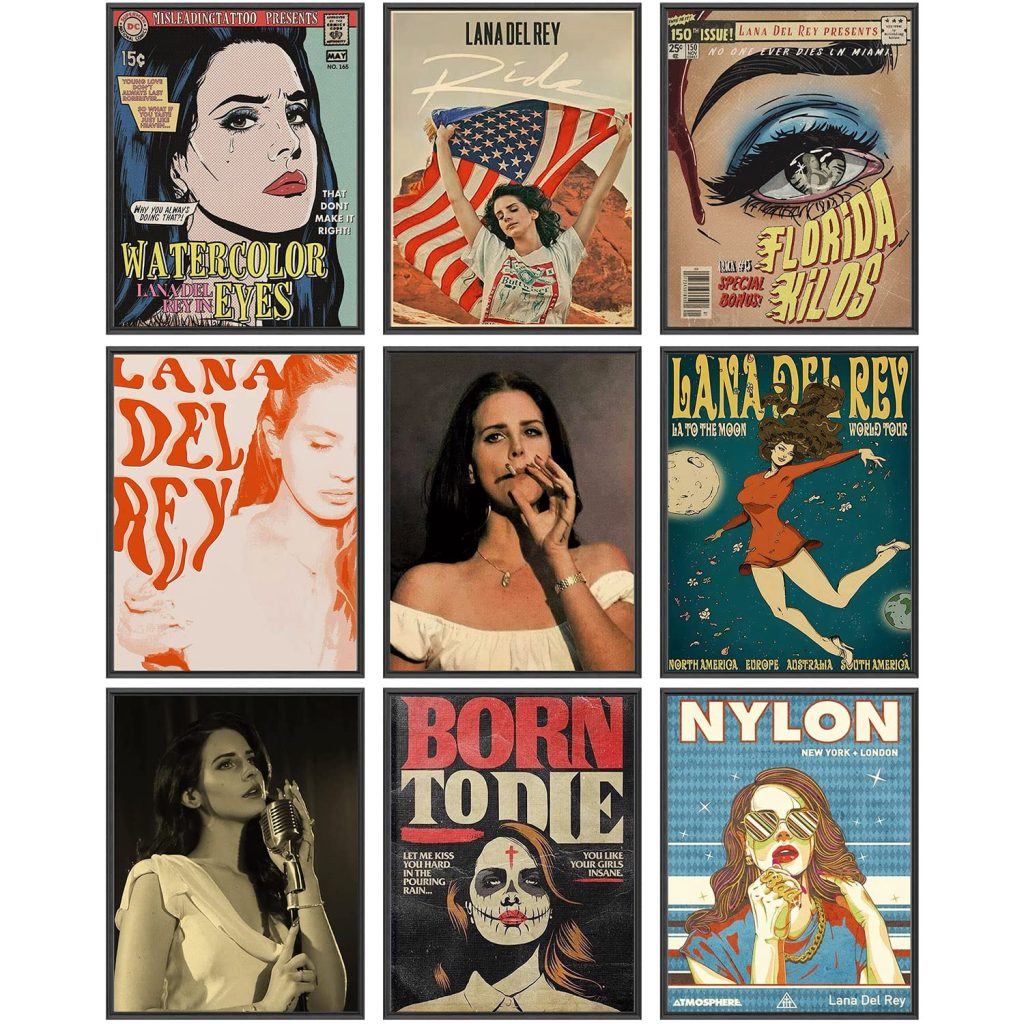
Aesthetic music posters capture that union. The color palettes, typography, and imagery used in posters often echo the feeling of the music they represent. A dreamy pastel poster of a Lana Del Rey album conveys the same hazy nostalgia as her songs. A bold, graffiti-inspired poster of a hip-hop artist mirrors the energy and rebellion of the genre. This visual-auditory connection explains why fans don’t just want to listen to music; they want to see it represented around them in art form.
A Bridge Between Past and Present
One of the strongest psychological reasons we love aesthetic music posters is nostalgia. Posters often depict iconic artists, albums, or concert tours that remind us of a specific time in our lives. A Beatles poster might bring someone back to their teenage years in the 60s, while a K-pop poster might remind a fan of their first concert with friends.
Psychologists note that nostalgia provides comfort, stability, and even boosts mental well-being. Having a poster of a beloved artist on the wall acts as a daily reminder of cherished experiences. It’s not just wall art, it’s a bridge between past and present, allowing us to re-live feelings that shaped who we are.
Identity and Self-Expression
In psychology, personal space is often considered an extension of the self. The way we decorate our rooms says a lot about our personality, values, and passions. Aesthetic music posters serve as a form of identity expression.
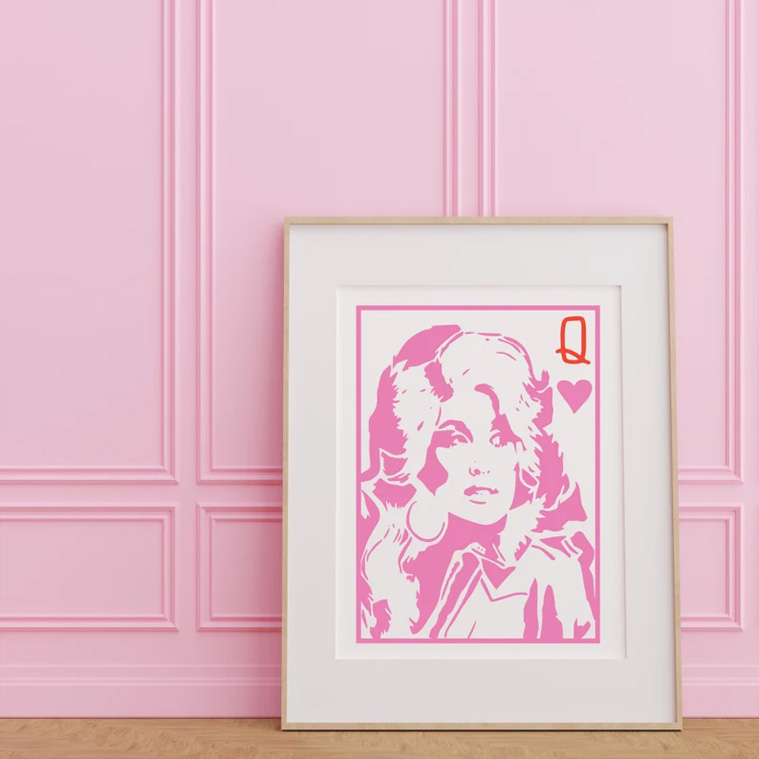
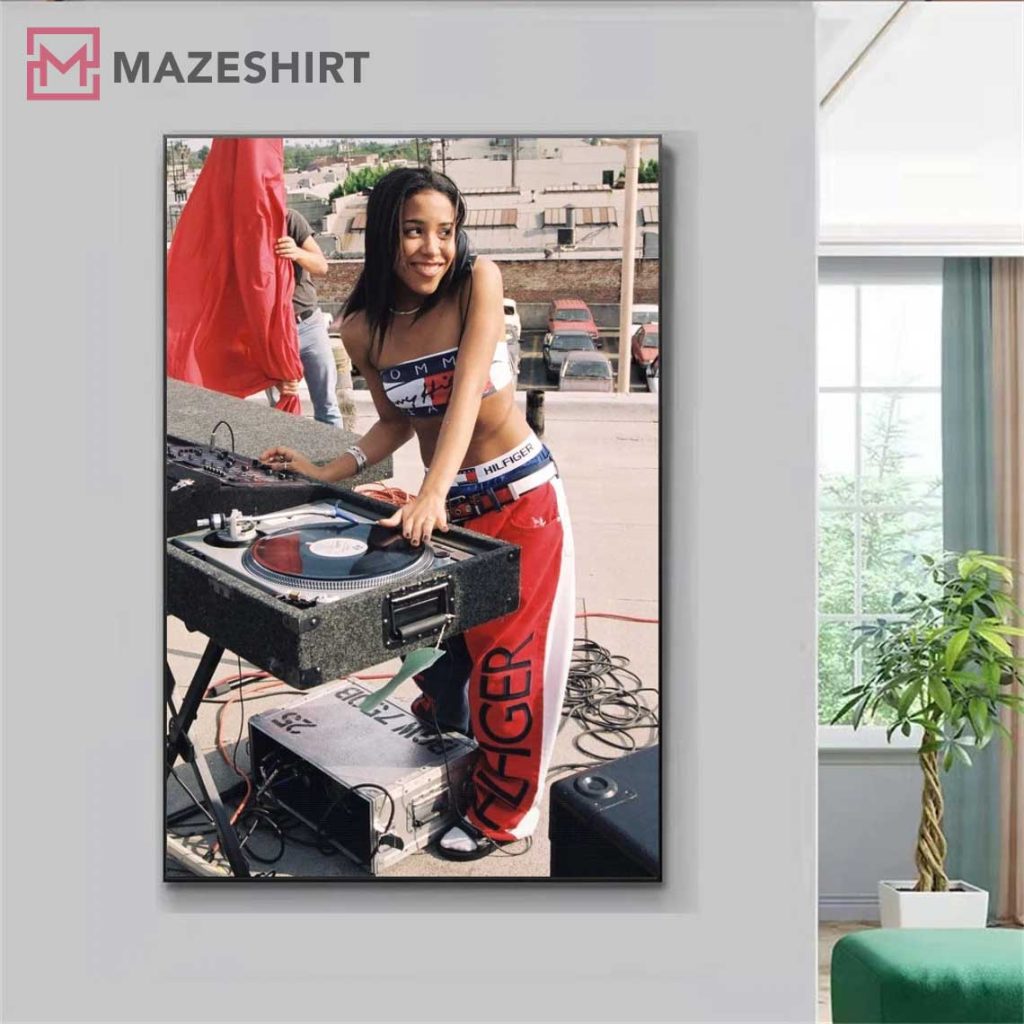
For example, a minimalist poster of classical sheet music might reflect someone who values tradition and refinement. A vibrant poster of a punk rock band might show a rebellious spirit. A gallery wall filled with indie band posters could reveal an adventurous taste and desire for uniqueness.
By curating posters that reflect the music we love, we are essentially curating pieces of our identity. When visitors step into our space, the posters act as silent introductions, telling them who we are without a single word.

Mood Regulation Through Design
Psychologists also highlight the role of visual art in mood regulation. Just like listening to upbeat music can lift our spirits, looking at visually pleasing art can have a calming or energizing effect.
Aesthetic music posters are designed with intention, colors, fonts, and imagery that often align with psychological principles. Warm tones may create a sense of comfort, while bold contrasts may inspire energy. Hanging posters in our bedroom, workspace, or studio allows us to curate our emotional environment.
For instance, a soft-toned poster featuring acoustic music aesthetics might encourage relaxation, making it perfect for a reading corner. On the other hand, a poster with neon hues representing electronic music could energize a home office or creative studio. The psychology behind these design choices ensures posters are not just visually appealing but emotionally functional.
Collective Identity and Belonging
Another reason aesthetic music posters resonate so deeply is their role in group identity. Music has always been tied to community, from subcultures like punk and grunge to fandoms surrounding pop idols. Posters act as markers of belonging.
A fan with a Billie Eilish poster might instantly connect with another fan who sees it, sparking conversation and mutual recognition. In college dorms, posters often function as social signals, telling others: “This is the music I love, and if you love it too, we already have something in common.”
This sense of shared identity is powerful. It transforms a simple poster into a social tool, reinforcing community ties and a sense of belonging.
The Role of Aesthetic Trends
The term “aesthetic” itself reflects an entire cultural movement. On platforms like TikTok and Pinterest, aesthetic music posters have become staples of modern interior design. People are no longer satisfied with generic décor; they want their spaces to reflect curated vibes, whether that’s retro, grunge, vaporwave, or minimalism.
Psychologically, this desire for aesthetics stems from the need for coherence and harmony in our environment. A poster that matches our chosen aesthetic doesn’t just look good; it makes our surroundings feel more intentional and aligned with our inner selves. This is why posters with unique artistic styles often trend online; they provide a quick way to tie a whole room together while staying true to personal taste.
Why We Keep Collecting Them
If aesthetic music posters serve so many psychological purposes, it makes sense that people rarely stop at just one. Collecting posters becomes a habit, even a passion. Each new poster adds another layer of meaning, another memory, another reflection of identity, another spark of joy.
Psychologists describe this as “identity layering,” where individuals continuously add symbols of meaning to reinforce their sense of self. In other words, the more posters we collect, the more complete our self-expression feels.
Conclusion
The psychology of aesthetic music posters proves that they are far more than simple decorations. They are emotional anchors, identity markers, mood regulators, and social connectors. When we hang them on our walls, we are not just filling space; we are creating an environment that reflects who we are, what we feel, and what we love. That is why aesthetic music posters will never go out of style. They capture the timeless marriage of music and art, and in doing so, they capture us.
